How Architectural Artificial Roofing Stands Up To Freeze-Thaw Damages in Midwest Houses
Anyone who has actually had a home in the Midwest long enough has seen what wintertime does to developing products. A roof covering can look penalty in October, then by March it is revealing slipped items, broken sides, loosened blinking, or indicators of moisture where it need to be bone completely dry. The damages hardly ever comes from one significant snowstorm. Regularly, it originates from rep. Water gets into a small opening, temperatures drop overnight, that water ices up and broadens, after that daytime sunlight begins the cycle once more. By the end of the period, the roof has actually been stressed dozens of times.
That freeze-thaw cycle is specifically hard on typical roofing materials with all-natural pores, fragile edges, or irregular attaching areas. It is one reason a lot more home owners are asking about building synthetic roof covering when they prepare a remodel or an artificial roof replacement. In places like Chicago, Naperville, and the broader Chicagoland suburbs, that interest is not nearly looks. It has to do with resilience in a climate that penalizes weak spots.
Architectural synthetic roof has actually earned focus due to the fact that it resolves the precise problems that trigger winter roof covering failures. It can resemble slate, shake, or various other premium accounts, yet the real tale is what happens listed below the surface. The product make-up, attaching style, effect resistance, and lower water absorption all aid these roofings take on freeze-thaw anxiety in such a way numerous home owners do not expect until they see the distinction over several winters.
Why freeze-thaw is so devastating on Midwest roofs
Freeze-thaw damages begins with dampness, however the real culprit is activity. Water increases by roughly 9 percent when it freezes. That expansion issues when water has worked its means right into a hairline fracture, a seam, a nail infiltration, or the exposed end grain of a roof covering product. As ice types, it broadens the opening. When temperatures climb over freezing, the ice melts and water can travel also farther right into the product. After that the next cold snap repeats the process.
Midwest climate produces the best setup for this. In several parts of Illinois and the surrounding area, wintertime temperatures can swing from single digits to the high 30s or reduced 40s within a day or two. South-facing roof covering slopes take straight winter months sun, which speeds up daytime thawing even while shaded sections remain frozen. Include wind-driven snow, over night refreezing at the eaves, and occasional ice damming, and you have problems that test every element of the roof system.
The damage does not always appear where home owners expect. People often seek a missing roof shingles after a tornado, but freeze-thaw damage tends to be subtler at first. It may appear as fractured edges, lifted edges, a ridge cap that no more exists flat, or little pathways for water around flashings and infiltrations. By the time a leak gets to a ceiling tarnish, the roofing system has actually typically been falling short silently for a while.
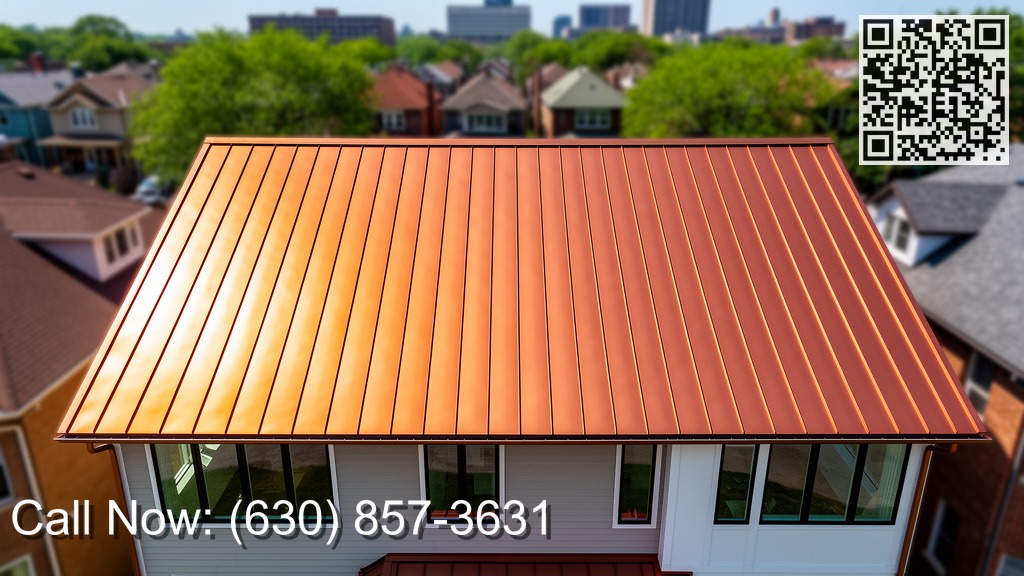
What makes building artificial roof different
The term "artificial roofs" covers a broad group, so it helps to be specific. Architectural artificial roof usually describes crafted roof covering items developed to replicate the appearance of slate, cedar shake, or other dimensional products while enhancing performance. These are not flimsy plastic panels. Costs synthetic roofing products are commonly made from innovative polymer blends, recycled composite materials, or proprietary material solutions created for durability, versatility, and weather condition resistance.
That difference matters in winter season. All-natural materials have elegance, but they likewise have vulnerabilities. Real wood shake can take in moisture and split. All-natural slate is long lasting, yet private items can fracture under influence or if they are stressed at add-on factors. Lower-grade asphalt items can come to be fragile as they age, particularly after years of UV exposure.
By comparison, well-made artificial roof covering tiles and ceramic tiles are crafted to limit water absorption and maintain adaptability across a broader temperature array. When an item does not conveniently absorb dampness, it gives freeze-thaw development much less opportunity to do harm internally. When it continues to be resilient rather than transforming weak in the cold, it is better able to tolerate activity from thermal cycling, wind uplift, and influence from hailstorm or dropping ice.
This is where property synthetic roofing commonly outshines expectations. Property owners may first choose it for curb appeal, specifically in communities with historic homes or customized builds, yet after a couple of winter seasons they begin to appreciate the less noticeable benefit: the roof merely takes care of Midwestern climate with less drama.
Low water absorption transforms the game
If I had to indicate one quality that many straight connects to freeze-thaw resistance, it would certainly be water absorption. Standard freeze-thaw failing depends on moisture going into the material itself or getting trapped in susceptible locations. Numerous synthetic roofing systems are engineered to stand up to dampness infiltration at a product level, not just on the surface.
That is a significant difference from all-natural wood items and also from some masonry-based products. A synthetic tile that loses water successfully and soaks up really little of it is less likely to suffer interior expansion stress when temperature levels go down. The roofing system still requires proper flashing, underlayment, ventilation, and water drainage, but the area product itself is much less vulnerable to winter months damage.
This does not mean all artificial items execute equally. Premium artificial roof tends to have tighter production tolerances and better long-lasting stability than bargain items. In the area, those information issue. A roof ceramic tile with irregular density, weak locking sides, or inadequate UV security might not mature beautifully, even if it looks good at installment. That is why material choice and installer experience issue just as much as the category itself.
Flexibility in the cold aids stop cracking
One of the disappointments with older or even more breakable roofing materials is just how they behave during the very first really cool stretch of the season. Something as little as a branch tapping the roofing system, a worker stepping in the incorrect location, or a portion of sliding ice can trigger cracking if the product has actually lost flexibility. When a fracture starts, water follows.
Architectural synthetic roofing is typically better at maintaining influence resistance and adaptability in reduced temperature levels. That matters in Chicago and surrounding suburban areas where a winter roofing may see snow cover, sleet, wind-driven particles, and temperature level whiplash in the exact same week. A material that can flex somewhat under tension rather than snapping has a better possibility of surviving intact.
I have actually seen house owners assume that heavy methods resilient and light-weight ways breakable. On roofs, that is not always real. Some artificial roof are much lighter than slate or concrete floor tile, yet they manage freeze-thaw stress much better since they move with the structure rather than standing up to every tiny shift. Roof covering decks increase and contract. Mounting steps somewhat with humidity and temperature. Fasteners respond to thermal cycling. A roofing covering that endures that motion without breaking has a genuine advantage.
The account of the roofing impacts winter efficiency too
Architectural artificial roofing is not simply a product choice. It is additionally a profile and system choice. Several products are developed with much deeper shadow lines, interlocks, and water-shedding paths that help move melting snow and rain off the roof covering much more efficiently. That boosted drainage can lower the quantity of standing water that lingers at overlaps or prone transitions.
On a steep-slope roofing system, this matters a large amount. Snow does not simply disappear when temperature levels climb. It melts erratically, often starting higher on sun-warmed slopes while lower sections continue to be icy. If a roofing profile channels that water cleanly towards the eaves, the roof invests much less time with wetness hovering at joints. If the item also has secure side laps and correctly made head laps, the possibility of wind-driven meltwater backing into the assembly drops.
A great artificial roofer will listen not just to the noticeable floor tile or tile, yet to exactly how the entire setting up acts under winter months problems. That includes underlayment choice, ice-and-water membrane layer positioning, air flow technique, blinking integration, ridge information, and securing approaches. The product can be superb, however if the roof covering system is improperly created, freeze-thaw damage will certainly still find a method in.
Ice dams are a separate problem, but synthetic roofing still helps
It is necessary to be exact here. No roof material gets rid of ice dams by itself. Ice dams are generally driven by warmth loss from the house, attic air leakage, insufficient insulation, and irregular roofing temperature levels. Even the very best artificial roof setup can not make up for an improperly doing building envelope.
That said, synthetic roof can still play a helpful duty. Because lots of artificial items have steady dimensions, secure interlocks, and less fragile subjected edges, they commonly hold up much better when ice kinds and meltwater backs up temporarily. If water is compelled uphill by an ice dam, the roofing system still relies upon underlayment and blinking as the primary defense, yet the area product is less most likely to crack or divide while under stress.
In sensible terms, that can suggest a roof that comes with duplicated wintertimes with less fixings. Homeowners may still require attic room improvements to solve the origin of ice damming, but the roof covering itself is less most likely to experience cumulative damage along the way.
Why this matters for Midwest deluxe homes and custom architecture
Synthetic roofing for high-end homes has actually become significantly prominent in the Midwest for a simple factor: property owners want the appearance of slate or cedar without inheriting every maintenance problem that can come with those materials in a tough climate. Huge customized homes usually have intricate rooflines, several valleys, dormers, turret information, and lengthy eave runs. Those features produce beauty, yet they also create a lot more locations where snow, ice, and meltwater can gather.
A complex roof covering enhances the repercussions of freeze-thaw anxiety. More changes suggest even more flashing. More roofing system airplanes indicate https://salvoarchitecturalroofingcontractors.com/photo-gallery/ even more snow drift patterns. More valleys suggest even more concentrated water circulation throughout a thaw. On that particular sort of home, a robust roof is not a high-end in the shallow feeling of the word. It is danger management.
This is where architectural synthetic roofing frequently shines. It gives developers the dimensional look they want while decreasing dead load compared with all-natural slate or concrete. That reduced weight can be specifically valuable in restoration projects where architectural upgrades would certainly otherwise be required. It likewise tends to simplify handling and positioning during installment, which can enhance uniformity on elaborate roof covering geometries.
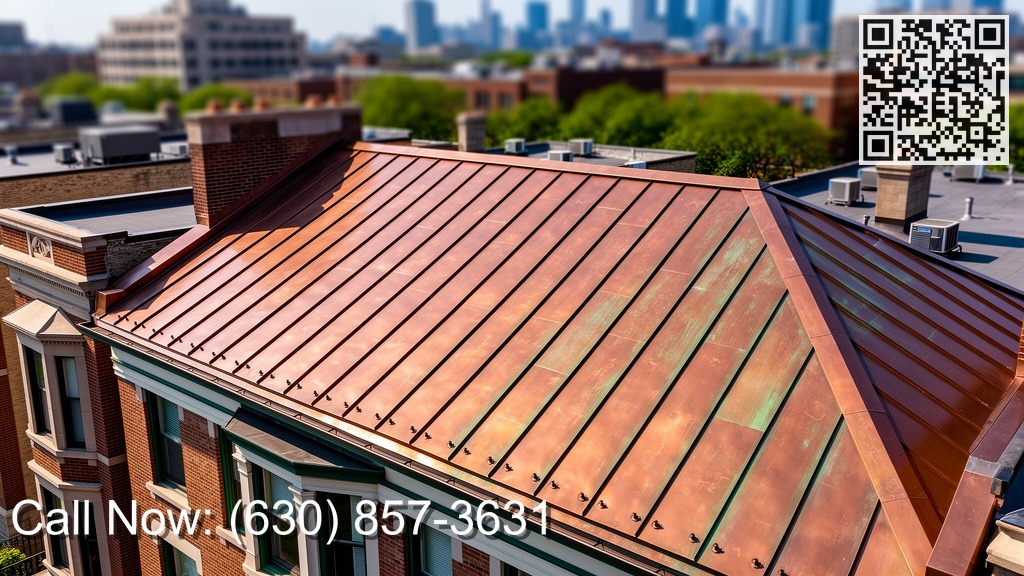
In upscale residential areas where property owners respect resale worth and lasting look, premium synthetic roof covering additionally has a useful aesthetic advantage. It tends to weather even more evenly than natural timber and prevents some of the arbitrary damage patterns seen with breakable items. A roof that still looks made up after numerous severe winter seasons adds to the overall perception of the house.
Installation top quality is what turns material performance right into real-world performance
This is the factor several short articles miss, but it is the one contractors deal with every period. A high-performance roofing product can fail early if it is mounted thoughtlessly. Freeze-thaw resistance depends upon details. Fasteners should be positioned appropriately. Flashings require proper overlap and safeguard integration. Air flow can not be guessed at. Penetrations have to be flashed in such a way that anticipates snow, ice, and wind, not simply summertime rain.
When property owners look for a synthetic roofing firm, they typically compare brands first. That makes sense, however the installer deserves equal examination. A synthetic roofer who understands Midwest environment problems will come close to the project in different ways from a crew that mainly installs basic asphalt in milder regions. The best synthetic roofing installers consider where wandering happens, how valleys will certainly handle ice, where warmth loss might create chronic thaw factors, and just how neighborhood code demands converge with producer specifications.
For home owners seeking synthetic roofing Chicago solutions or an artificial roofer Chicagoland homeowner can trust, neighborhood winter months experience matters. The exact same holds true if you are searching for artificial roof covering Naperville IL specialists. Freeze-thaw damages is not academic here. It turns up in service calls, assessments, and insurance policy claims annually. A professional that has seen what fails in February will certainly make smarter options in July.
Common weak points where synthetic systems usually hold up better
Most winter roof covering failings do not occur in the middle of an open area of roofing. They turn up at transitions and stress factors. Synthetic roofing systems usually execute well because their accessories and area items are designed as a coordinated setting up, which helps in reducing those vulnerabilities.
The areas that should have the most interest are these:
- Valleys, where snow and water concentrate throughout thaws.
- Eaves, where meltwater can refreeze and create support pressure.
- Roof penetrations, specifically pipes vents, smokeshafts, and skylights.
- Ridges and hips, where wind exposure and thermal activity are high.
- Sidewalls and headwalls, where blinking details make or damage performance.
The point is not that artificial products make these areas sure-fire. The factor is that a well-designed artificial roofing setup typically offers the contractor better tools to defend them. Matching accessories, predictable measurements, lighter managing weight, and durable area products all add to cleaner execution.
Repairability and long-lasting ownership
One quiet advantage of household artificial roof covering is exactly how it fits real ownership patterns. Midwest home owners do not simply require a roof covering that endures one winter season. They require one that remains serviceable over twenty or thirty years of tornados, tree debris, attic room upgrades, vent replacements, and periodic service provider foot traffic.
Some natural materials become harder to fix cleanly as they age. Matching can be hard. Frailty boosts. Recover work around one damaged area might damage nearby pieces. Synthetic items differ, yet numerous offer a more forgiving service experience. Private items can commonly be replaced without the exact same danger of security damage, presuming the product is still readily available and the roof was mounted with gain access to and maintenance in mind.
That matters for lasting budgeting. A property owner thinking about artificial roofing system replacement might initially concentrate on ahead of time price, and fair enough, costs products are not bargain roof. However the possession equation should include likely maintenance, repair frequency, and the cost of winter-related failings. When a roof covering prevents repeated jumble after difficult freeze-thaw seasons, the worth image changes.
What house owners must ask before picking a product
The conversation need to surpass aesthetic appeals. A lovely profile that mimics hand-split cedar or quarried slate is appealing, yet Midwest customers must push for useful responses. Ask just how the item takes care of influence, temperature variation, and moisture. Ask what underlayment package the installer advises for your roofing geometry. Ask exactly how the system does at eaves and valleys. Ask whether the staff has actually mounted that particular product via a minimum of a couple of local winters.
These inquiries deserve covering with any type of synthetic professional roofer:
- How does this product do in duplicated freeze-thaw conditions?
- What ice-and-water security will certainly be used, and where?
- How will attic air flow and insulation influence roof covering performance?
- What information will certainly be made use of at valleys, smokeshafts, and skylights?
- How frequently does your business service or examine this kind of roofing system after installation?
A knowledgeable specialist will answer directly and with context. They will certainly not act any kind of roofing system is unyielding. They will describe where the product succeeds, where supporting details matter most, and what maintenance still makes sense over time.
The compromises home owners ought to understand
Architectural synthetic roof covering is not the appropriate selection for every single job. Price is one compromise. Costs synthetic roofing normally rests over basic asphalt in cost, occasionally by a significant margin depending upon profile, complexity, and area. Property owners preparing to relocate quickly might make a decision the lasting durability costs is ineffective for their timeline.
There is also item variation in the marketplace. "Artificial" is not a guarantee of quality any more than "timber" or "slate" is. Some lower-end items may fade unevenly, warp, or feel much less convincing up close. That is why it is smart to see full-size installed samples and ask to see local tasks that have actually been with a number of winters.
Style fit matters too. On some homes, especially small houses with basic lines, a top-level synthetic slate might keep an eye out of scale. Excellent roof covering options have to do with proportion as much as efficiency. A thoughtful artificial roof firm will assist property owners toward accounts that match both the design and the climate.
Why the Midwest has actually ended up being a verifying ground for artificial roofing
If a roofing can execute well with a string of Midwestern winters, that informs you a whole lot. The region combines hefty snow, wind, sunlight exposure, freeze-thaw cycling, hailstorm, and abrupt seasonal shifts. It is insufficient for a roofing to look good on a display room board. It needs to endure the truth of January thawing on a south incline, February refreezing at the eaves, and March slush functioning its means toward every seam.
That fact is one factor synthetic roofing systems have actually gotten traction among designers, contractors, and experienced homeowners in position like Chicago and Naperville. The material group addresses an extremely details collection of problems without demanding the structural weight or upkeep worry of some typical costs products. For homes with complicated design, high replacement cost direct exposure, or owners that intend to stay, that is an engaging combination.
Architectural artificial roofing stands up to freeze-thaw damage not since it rips off winter, however because it is built for wintertime's practices. It drops water efficiently, absorbs less moisture, stays more resilient in the cold, and integrates right into roof developed to safeguard vulnerable information. In the Midwest, where seasons test every weakness one way or another, those qualities are not marketing language. They are the distinction in between a roofing system that ages steadily and one that begins calling for repairs after every tough winter.
When Quality Matters
Salvo Architectural Roofing Contractors
566 West 5th Ave Naperville, IL 60563
(630) 857-3631
 Ask ChatGPT
 Ask Grok
 Ask Perplexity
 Ask Claude
 Ask Google AI
 Ask You